Advancing Tribal Wetland Health in the Pacific Northwest
We are a unified group dedicated to sharing knowledge and championing the stewardship, protection, and restoration of vital Tribal wetlands for future generations.
The PNW TWIG (Pacific North West Tribal Wetlands Working Group), or TWIG,
is a group of Native American Tribes that have common interests in wetlands and aquatic resources.
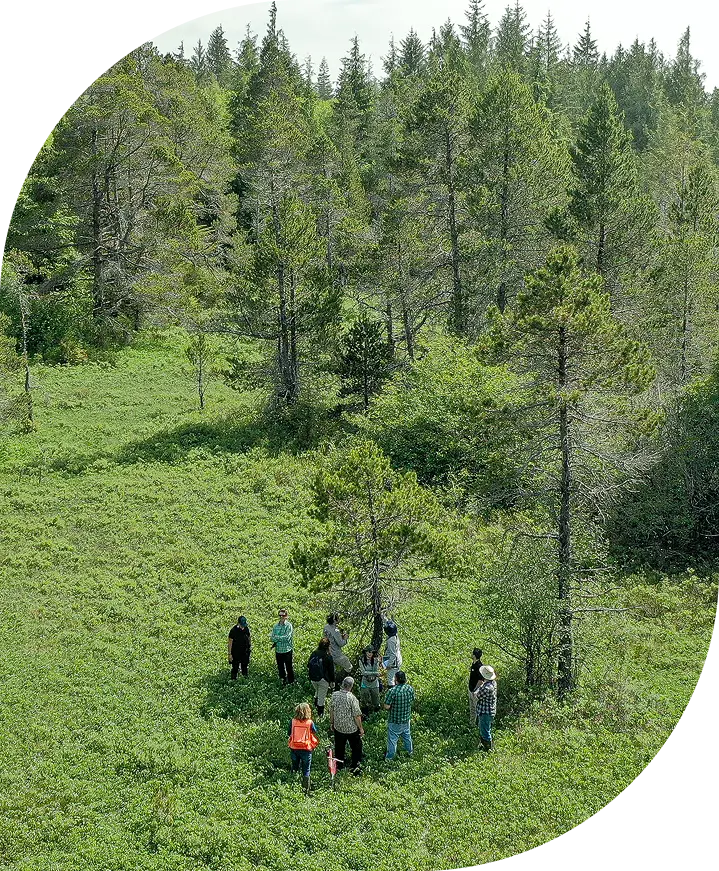
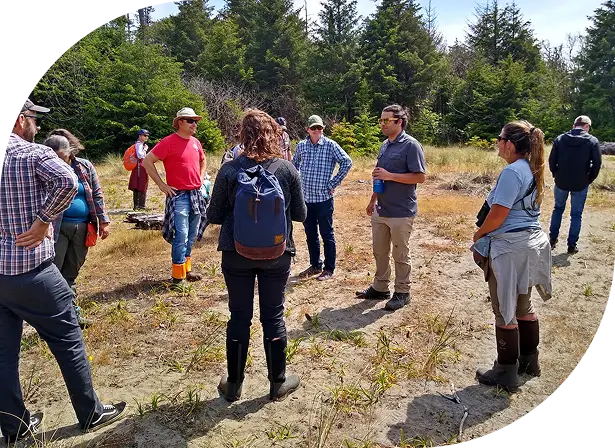
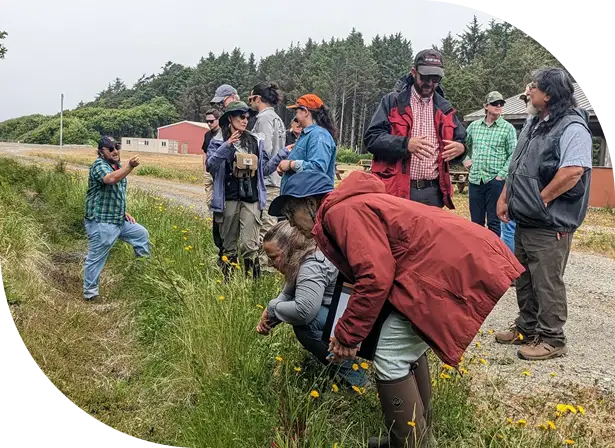
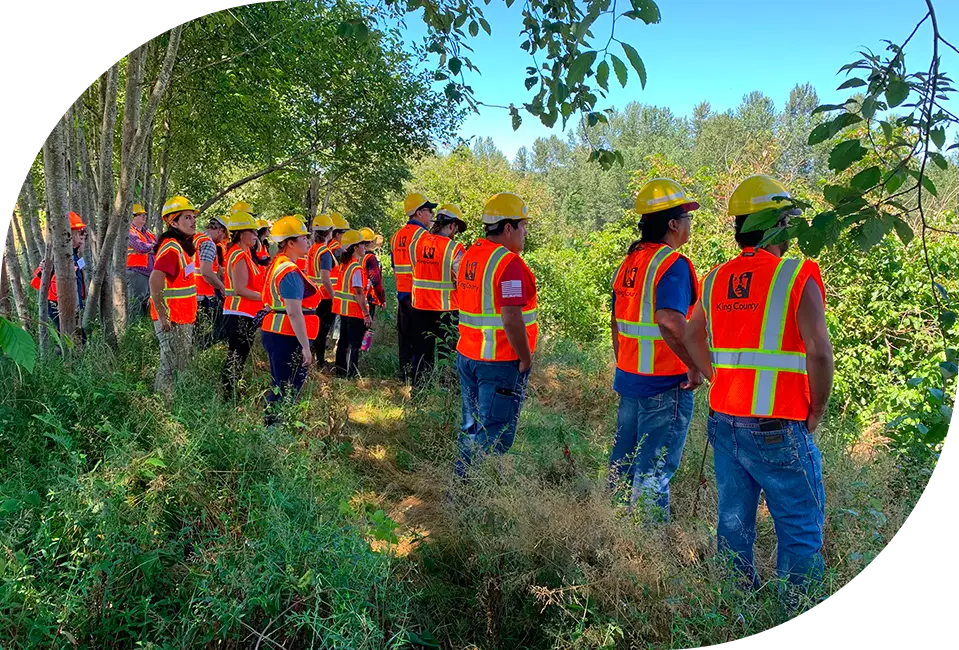
Since 2010, the TWIG has met at workshops or trainings usually twice per year to share techniques, approaches, and to learn from one another on reservations across the Northwest. These workshops and trainings are open to all PNW Tribes and are aimed at improving Wetland Program Plans and the condition of wetlands in the region.
Workshop held in Anchorage, Alaska April 28-29, 2026.
Read the Report on Lessons Learned from the Experiences of Tribal Wetlands Working Groups (2021).
The document includes interviews from Tribal Wetland Working Groups in the PNW and Wisconsin, and creates a record of the PNW TWIG. Credit Jeanne Christie of Christie Consulting Services and Rebecca Kihslinger of the Environmental Law Institute.
Dr. Paul Adamus - supporter of TWIG, author of the Wetland Evaluation Technique (WET)
Dr. Paul Adamus has taught wetland assessment to dozens of consultants, local planners, college students, and agency staff on three continents and in many states. He has authored or co-authored nearly 100 publications, including an encyclopedia section on wetlands. Dr. Adamus began his career at The Smithsonian’s Center for Natural Areas, 1977-1982. There he did pioneer work in wetland function assessment, authoring a method (WET) that federal agencies widely used in the following decade. He also published one of the first scientific journal articles to propose criteria for using species as a basis to identify critical natural areas. He has also been a supporter of the Tribal Wetland Working Group (TWIG) and has helped by providing training multiple times. Dr. Adamus developed the Nez Perce Tribe’s WESP-NP Method and the credit and debit calculator. He has also created the tool for the whole country of Canada and the State of Idaho.
The Tribal Wetland Working Group (TWIG) exists to share knowledge in support of the restoration and protection of wetlands and other aquatic resources from a tribal perspective.
Promote wetland and aquatic resources training opportunities for Tribes.
Provide a venue for information sharing and transfer of technical expertise regarding restoration, protection, and management strategies for wetlands and aquatic resources, between staff of Pacific NW Tribes.
Support development and implementation of wetland and aquatic resource monitoring strategies.
Increase awareness of cultural importance of wetlands and aquatic resources.
Have Ideas or Feedback?
We’re always looking for ways to make PNWTWIG better.
If you have questions, comments, or suggestions, we’d love to hear from you.
In 2010, the Umatilla and Klamath Tribes responded to an emergent need to organize workshops for Tribes around the topic of wetlands and aquatic resources. In 2011, the first training associated with TWIG was hosted by the Yakama Tribes and focused on techniques and design of the National Wetlands Condition Assessment (NWCA). Since 2011, Tribes and their partners have convened semi-annual workshops and trainings across Washington, Idaho and Oregon. These workshops and trainings have grown to include both field and office presentations and focus on the issues and efforts of the hosting Tribe. More than 40 Tribes have participated in the TWIG and we encourage Tribes, in the region, to consider attending a workshop.